Choice Classic Rock

New Releases

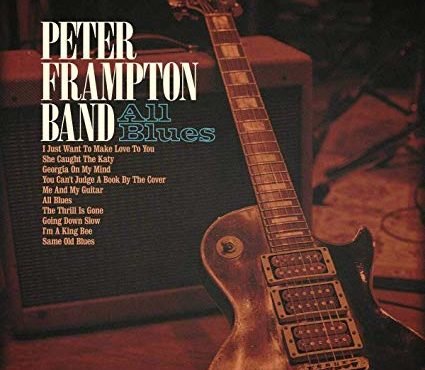
All Blues

Peter Frampton Band – All Blues

From rockandbluesmuse.com on All Blues:

Enduring rock music legend Peter Frampton is set to release All Blues, an all-covers collection of Frampton’s favorite blues classics that will be available June 7th, 2019 via UMe. Frampton tracked the album live in his own studio in Nashville with his mighty road band that includes Adam Lester (guitar/vocals), Rob Arthur (keyboards/guitar/vocals), and Dan Wojciechowski (drums). Peter also called upon some of his extra-talented friends for guest appearances, and listeners are treated to contributions from heavy-hitters Kim Wilson, Larry Carlton, Sonny Landreth, and Steve Morse.

Peter Frampton explains, “I have always loved to play the blues. When we formed Humble Pie, the first material we played together was just that. For the last two summers I had been playing a handful of blues numbers every night on stage with Steve Miller Band. I enjoyed this immensely and it gave me the idea of doing an ‘All Blues’ album live in the studio with my band.”

The songs here are pulled from the canon of blues and jazz that include well-loved numbers from Willie Dixon, Miles Davis, Slim Harpo, B.B. King, Hoagy Carmichael, and others.

Sadly, the record is a farewell of sorts to his fans, as Peter has been diagnosed with the autoimmune disease Inclusion Body Myositis (IBM), a progressive muscle disorder characterized by muscle inflammation, weakness, and atrophy. This will affect his ability to play guitar and Frampton has decided to retire from the road after one last 50-some date run this Summer called the ‘Peter Frampton Finale – The Farewell Tour’ presented by SiriusXM and produced by Live Nation. The tour will feature special guest Jason Bonham’s Led Zeppelin Evening, as well as Julian Frampton on select dates, with additional surprise guests. $1 of every ticket sold will benefit The Peter Frampton Myositis Research Fund at Johns Hopkins.

Peter Frampton, still at the top of his game, sounds great on these cuts and the vibe and energy of everyone involved tracking live is joyously reminiscent of The London Howlin’ Wolf Sessions, a landmark record by any standard.

All Blues opens with Peter Frampton’s take on Willie Dixon’s “I Just Want To Make Love To You” that features Fabulous Thunderbirds frontman, Kim Wilson on harmonica. The two stars don’t try to recreate the sacred Muddy Waters original version but play it like a new song written that day, keeping it fully in the present.

Next up is a sublimely grooving run at Taj Mahal’s “She Caught The Katy” that gives Frampton the chance to display a high degree of melodic playing rooted in the B.B. King style and expanded by his own, personal vision. This is immediately followed by Frampton’s gorgeous instrumental version of Hoagy Carmichael’s famous “Georgia On My Mind.” His playing is dynamic, expressive, and toneful, and Peter takes his melodicism even farther than the previous track while still maintaining a rock guitarist’s identity. His switch to the rolled-off neck pickup sound midway through, adds a cool, subtle ripple and recalls Clapton’s “Woman Tone.”

These three consecutive tracks opening this record are a strong statement of his love for this music and, if you’re not into it by this point, check your vital signs because something’s wrong.

Frampton opens things up even more with a soulful cover of Miles Davis’ “All Blues” featuring the great Larry Carlton that’s full of the kind of late-night headspace and gentle brilliance. This one shows the versatility and artistry contained in this group of musicians and is one of the record’s finest selections. Frampton also does an almost-straight cover of B.B. King’s “The Thrill Is Gone” right down to the string parts. Slide guitar master Sonny Landreth guests on it, dropping some of his slippery magic, but Frampton holds onto the emotional timbre of King’s original in a show of wisdom and respect.

Howlin’ Wolf’s “Going Down Slow” sees rock/fusion ace Steve Morse dropping in to bend the blues out of shape as only he can. His licks come from a whole different place than most guitarists do and he shows how far it’s possible to stretch the form without sacrificing soul. The song is also an ironic commentary on Frampton’s health situation and station in life, opening with the lines “If I never get well no more, I have had my fun… Oh, my health is fading. Oh yes, I’m going down slow.”

The record finishes with the piano-heavy jazz/blues of Don Nix’s “The Same Old Blues,” a song that brings the feel down low and the emotional content up high. The song comes across as an end-of-the-night goodbye from someone who really doesn’t want to go quite yet and Frampton’s performances on this are deeply touching.

All Blues is an obvious labor of love for Frampton, showing his fans his continued devotion to blues music and to the actual act of playing it. He’s been as big as it gets but still digs in and plays hard when the red light comes on. Show him some love if he comes to your town this year. He deserves every bit of it. Well played, sir, well played.
Read More/Comment »
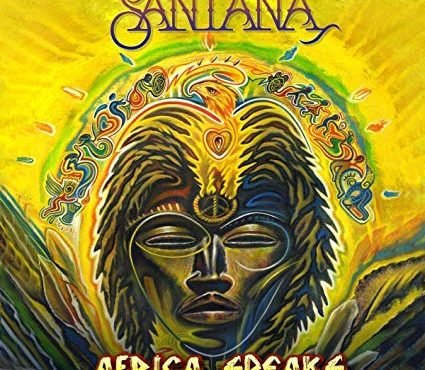
Africa Speaks

Santana – Africa Speaks

From rockandbluesmuse.com on Africa Speaks:

Carlos Santana will be releasing his latest album Africa Speaks on June 7th through Concord Records. This eleven song, Rick Rubin produced, collection is an arresting and significant piece of work from the already beyond legendary Rock/Latin/Jazz guitarist and musical/cosmic ambassador.

After five decades of ground-breaking musical explorations, Carlos Santana is at the enviable point in his long career where he is free to follow his musical heart wherever it leads him. This time around, the 10-time Grammy winner and Rock & Roll Hall of Famer has focused his energy on returning to the ultimate “source” of all things musical, and human: Africa. While I’m sure spinning these tunes would energize any Summer party, this isn’t a Summer party album. Africa Speaks isn’t background music. These are beats and sounds that instantly grab your attention not by clamoring for it, but by touching something deep and unnamed that you might not have known was a part of you.

Playing with family, familiar friends and some ridiculously talented guests, Carlos Santana and Rick Rubin have, seemingly casually, captured some musical magic on Africa Speaks that sounds both new and ancient, both spontaneous and pre-destined, both otherworldly and DNA-familiar. You’ll want to strap in and listen close.

Title and opening track “Africa Speaks” introduces itself with a spoken monologue, clearly stating the theme of the album and letting you know what you’re in for; a celebration of the sounds and rhythms that have been the soundtrack to our human journey since long before guitars were invented. A full two minutes after the opening spoken word section, the song finally settles into a piano and conga driven rhythm that supports a choir of vocals and Santana’s piercing guitar breaks. Carlos then ups the ante on “Batonga,” an aggressive, jazzy excursion driven by the poly-rhythms of the drums and congas, and aided by some equally fierce Hammond B3 work from guest David K. Mathews.

Guest Spanish vocalist Buika, a force throughout the album, is especially riveting on “Oye Este Mi Canto.” The tune launches itself sounding like a seduction until about halfway through, when the vibe gets funkier behind another crisp and astonishing Santana lead break. But even that remarkable tune feels like table-setting once “Yo Me Lo Merezco” starts flowing from your speakers. You don’t have to speak the language to be moved and transported by the absolute power of these vocals and mesmerizing music. In the lead break you can’t help but hear Santana’s heart and soul getting pushed out of his guitar. You’re hearing a pure musical vessel responding to the vibrations around him.

After all the chaos and catharsis of the previous two songs, “Blue Skies” slips in on quiet cat feet, with piano and bass building the foundation for a nine-minute jazz/rock odyssey featuring some luscious guest vocals this time from the UK’s Laura Mvula. Expect this jam to go long and strong during some upcoming Summer shows because, in a live setting, this song could go anywhere.

Read More/Comment »
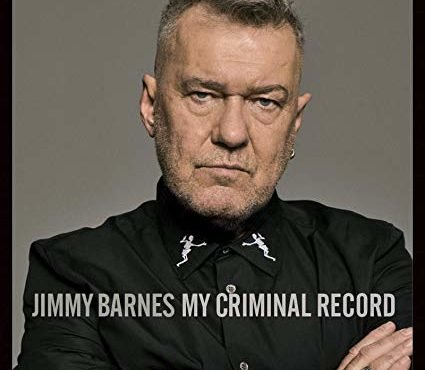
My Criminal Record

Jimmy Barnes – My Criminal Record

From therockpit.net on My Criminal Record:

My Criminal Record sees Barnes back to his rock roots for the first time since 2010’s Rage and Ruin and will surely become his tenth album to reach the #1 spot in the Australian Charts and continue to cement his position as one of the most successful solo artists in the country’s history.  The quality of the song writing is immediately evident with long-time collaborator, Cold Chisel’s Don Walker writing six of the thirteen tracks. Other contributions come from close friends Troy Cassar-Daley, Mark Lizotte (aka Diesel) and The Living End’s Chris Cheney, as well as Benjamin Rodgers, Harley Webster and Jade MacRae.

The album starts with the first single and title track ‘My Criminal Record’, a piano-infused bluesy smouldering masterpiece with its moody shuffle and you think this is going to set the tone to the album – how mistaken we all are as we are taken on a roller-coaster ride of rock n roll wonders.  ‘Shutting Down Our Town’ tells tales of working men on the brink of industrial hardships & poverty, something that Barnes visited in his documentary ‘Working Class Boy’, released last year.  I had the pleasure of hearing ‘I’m in a Bad Mood’ played & sung live earlier in the year and it works just as well on stage, as it does from the studio and this is clearly Barnes’s intention with using him his live band on this release.

‘Stolen Car’ takes us on a different road with its chilled start, before picking up at midway to be a classic punchy Jimmy Barnes rock song, with wonderful guitar work midway through and the joy of this is that this song is found as a second part later in the album.  Steel & slide guitars open ‘My Demon (God Help Me)’ as we stomp-blues our way through the opening bars, before crashing head first into another foot tapping rock n roll rippa, with humming harmonies and Barnes snarling his way through the verses & chorus.  The first of the covers comes almost midway through, as Jimmy delivers a wonderful version of John Lennon’s ‘Working Class Hero’ which was so beautifully used in the documentary last year, with its military drummer boy percussion and lyrics that Barnes himself says he could have almost been written for & about him.

The album once again moves with diversity with ‘Belvedere and Cigarettes’, ‘I Won’t You Down’ and one of my favourites on this release, the easy laid-back ‘Stargazer’.  ‘Money and Class’ again brings to the fore the very real problems of Jimmy’s self-doubt and lack of beliefs that have dogged his career, not that you would know with this gritty rock tune.  The second part of ‘Stolen Car’ is a shorter, rockier rendition with quicker tempo to the first, before we bleed into ‘If Time Is On My Side’, another big tune full of catchy beats & rhythms with a chorus to sing at the top of your voices at shows for years to come.  The album closes with an incredible cover of Bruce Springsteen’s ‘Tougher Than The Rest’; a song that Barnes himself says is “a hymn of undying devotion to the love of his life, Jane, his wife of 38 years”.

This is one collection of songs that I would love to see performed live, from start to finish and have no doubt that every track would be a crowd pleaser.  The album features Jimmy’s live band, who were spectacular at this year’s Red Hot Summer Tour at WA’s Sandalford Winery in January and comprise of Daniel Wayne Spencer and Davey Lane on guitars, son-in-law Benjamin Rodgers on bass, Clayton Doley on keyboards, with son Jackie Barnes and Warren Trout on drums and percussion.

Read More/Comment »
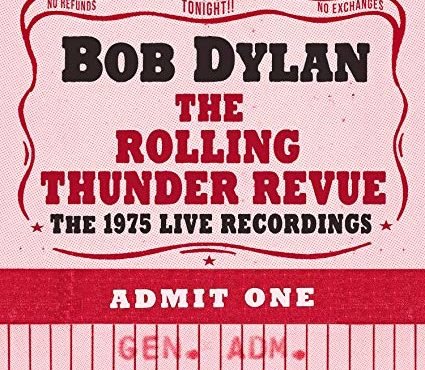
The Rolling Thunder Revue: The 1975 Live Performances

Bob Dylan – The Rolling Thunder Revue: The 1975 Live Performances

From variety.com on The Rolling Thunder Revue: The 1975 Live Performances:

Bob Dylan’s Rolling Thunder Revue tour of 1975-76 is a paradox in the well-stuffed annals of his concert career: It is at once his best-documented and most elusive trek.

The legendary aura that surrounds the Revue is being burnished anew by two retrospectives focusing on the more celebrated ’75 leg of the tour: Columbia Legacy’s bulging 14-disc boxed set of live performances and rehearsals, out this week, and Martin Scorsese’s feature documentary, airing on Netflix beginning June 11. (The film will be considered by Variety at a later date.)

The voluminous back story and history of Rolling Thunder must necessarily be recounted here, since what the tour was, and was not, plays into one’s ultimate appreciation of, or disappointment with, the present archive-scouring box.

In the wake of his wildly successful 1974 return to live performing with his former backup musicians the Band, now stars in their own right, Dylan was hovering in Greenwich Village, casting around for something to do. He hung out his shingle at the Village club the Other End, and slowly gathered the members of a new band around him.

Some of those players — notably violinist Scarlet Rivera, whom Dylan had literally plucked from the street, and the hard-hitting rhythm section of bassist Rob Stoner and drummer Howard Wyeth — worked on sessions for a new album recorded in July 1975. Dylan had penned nine new songs, seven of them in collaboration with Jacques Levy, the theatrical director and songwriter best known for his scandalous hit “Oh! Calcutta!” and “Chestnut Mare,” penned for the Byrds.

Over the summer months, the idea for a tour that would unveil the new material (ultimately issued on the No. 1 album “Desire” in January 1976) began to coalesce. Dylan, who was worn out by the massive logistics of the ’74 arena tour, envisioned a different kind of show, an intimate, carnival-styled extravaganza that would showcase his friends’ music as well as his own. He himself would serve as the show’s intense focal point, masked in clown white and wearing a flower-bedecked wide-brimmed hat.

Dylan’s ‘60s aide de camp Bob Neuwirth joined the troupe, and enlisted other members for the backup band known as Guam: Texas guitarist J. Henry “T-Bone” Burnett (then hyphenated), singer-guitarist Steven Soles and multi-instrumentalist David Mansfield. Dylan’s former paramour Joan Baez signed on, essentially as a co-star; Ramblin’ Jack Elliott, a Village folk veteran and fellow admirer of Woody Guthrie, also received featured billing. Mick Ronson, late of David Bowie’s Spiders From Mars, took the lead guitar slot. On the road, such talents as singer Ronee Blakley (a freshly minted star of Robert Altman’s “Nashville”), Joni Mitchell and Roger McGuinn would take guest shots; poet Allen Ginsberg, playing finger cymbals, and playwright Sam Shepard were along for the ride.

All this glitter would be witnessed by very few. When the Rolling Thunder Revue kicked off in October 1975, it was a guerilla-styled incursion that appeared solely in small venues in New England and Canada, on short notice with hit-and-run ticketing. A Dec. 8 date at Madison Square Garden benefiting jailed boxer Rubin “Hurricane” Carter was the lone show among 31 dates that played a large U.S. venue.

Fortunately for posterity, Dylan was documenting the Revue for a feature film that would incorporate concert footage and dramatic improvisations; a professional crew shot many of the shows for the neophyte director, and five were recorded in stereo.

Strangely, hardly any of this mountain of material was seen or heard contemporaneously. At the time, none of the ’75 performances was issued officially; Columbia instead opted to release a 1976 live recording, “Hard Rain,” drawn from a gloomy Colorado gig filmed for a TV special that featured none of the major Revue stars of ’75 save the loyal Baez. Some stellar concert footage was liberally sprinkled through Dylan’s dire four-hour film “Renaldo & Clara,” but the movie almost instantly disappeared into the vaults, seemingly for good, after its catastrophic theatrical opening in 1978.

Columbia Legacy finally rectified the situation in 2002 with the release of a Rolling Thunder Revue compilation as the third installment in its “Bootleg Series” of archival Dylan packages. A producers’ note in the current box states, with refreshing honesty, “That album collected what we thought were the best performances that were professionally recorded during 1975. So if you’re looking for a concise representation of that period, [it] would certainly fill the bill.”

So what does the consumer get in the jumbo 2019 collection? The guts of the Revue box are the 10 discs featuring every Dylan performance from five shows on the ’75 leg: Worcester, Cambridge and Boston, MA (with afternoon and evening concerts in the latter town) and Montreal. The big lure for the cognoscenti is three discs of hitherto unheard rehearsal performances captured in New York and Falmouth, MA, and a single CD of “rare performances” — largely audience recordings and one-off performances caught at off-road venues as the tour progressed.

Listening to the concert material is an experience not unlike auditioning the exhaustive 36-disc 2016 set of Dylan’s shows on his tumultuous 1966 world tour. Like those concerts, the ’75 Revue gigs — heard here for the first time officially in concert order — featured a fairly immutable set list every night, with only Dylan’s brief solo slots and the occasional unusual Dylan-Baez duet altering the unchanging two-act format. It is probably advisable to listen to the individual shows one at a time, and allow for some breathing room.

What’s there is pretty spectacular. Dylan’s Revue crew was the biggest group he ever performed with, and certainly it was the loudest and hottest, with as many as five guitars being flexed simultaneously. Ronson’s heavily phased playing stands out. Especially dazzling is the mercurial work of the then-unknown Rivera, the best instinctive hire in the history of Dylan’s bandleading career.

Almost invariably, the best performances come on the two songs that climaxed the full-band performances in the night’s first act: the Marty Robbins homage “Romance in Durango,” an outlaw ballad dedicated on more than one occasion to Sam Peckinpah, director of Dylan’s maiden acting role in “Pat Garrett and Billy the Kid,” and the wildly careening, gnomic quest narrative “Isis,” on which the band teeters on the edge of losing control, night after night.

The full-band work post-intermission is less engrossing, and especially taxing during eight logy and inevitable minutes of “Hurricane,” Dylan’s agitprop rocker about the  imprisoned former middleweight contender Carter, and “Sara,” Dylan’s almost embarrassingly mawkish paean/plea to his then-estranged (and soon-divorced) wife. Both songs disappeared from Dylan’s live repertoire with the ’76 conclusion of the tour, never to return.

Flying solo, Dylan offered a few surprises. As he often did on stage, he toggles between the first and third person in the reimagined “Tangled Up in Blue,” and pulls “Simple Twist of Fate,” “Mr. Tambourine Man,” “I Don’t Believe You,” “It’s All Over Now, Baby Blue” and “Love Minus Zero/No Limit” out of his deep song bag. One wishes his duet segments with Baez, as ever a wondrous stage partner, had been more ambitious: The previously anthologized “The Water is Wide” and newly exhumed versions of Johnny Ace’s “Never Let Me Go” and the traditional “Wild Mountain Thyme” are among the box’s truest gems.

The biggest problem with the set is the fact that we get a great deal of thunder, but very little revue.

As the notes by writer-musician Wesley Stace (a/k/a John Wesley Harding) rightly point out, “What is clear is that the Rolling Thunder Revue was about much more than the 20 songs played by Dylan.” Yet the only numbers we hear that reflect the ensemble structure of a Revue show are the duets with Baez, McGuinn’s one-verse appearance on “Knockin’ On Heaven’s Door” and the all-hands-on-deck nightly finale of “This Land is Your Land,” with verses by Mitchell, McGuinn, Elliott and Neuwirth.

It’s hard to say if the decision to exclude the other stars’ featured performances from the box is a function of clearance issues or an aesthetic or commercial decision, but it will no doubt frustrate those who have been longing for an official release of that material for decades.

The inclusion of the rehearsal material may take a bit of the sting out of things for some. The rundowns of material that would be performed onstage aren’t always engrossing, but give some insight into Dylan’s ever-evolving notions about arrangements. A couple of solo rarities leap right off these discs: “Patty’s Gone to Laredo,” a never-completed original number heard briefly in “Renaldo & Clara,” and the stunning “Easy and Slow,” a cover of an Irish folk song that had been recorded by Dylan’s ’60 Village contemporaries the Clancy Brothers.

Bonus discs can sometimes be a wash (cf. the “Basement Tapes” box), but disc 14 of the “Rolling Thunder” set, as rough-sounding as much of it is, is where some gold is unearthed, and where it hews closest to the spirit and content of Scorsese’s forthcoming film. There one encounters a stomping “Simple Twist of Fate” improbably performed to a roomful of elderly players at a Massachusetts mahjongg tournament; a poignant rendering of Peter LaFarge’s “The Ballad of Ira Hayes” at a Tuscarora Reservation powwow; and an impromptu stab at Smokey Robinson’s “The Tracks of My Tears” in a Montreal hotel.

Here one finally touches on what made the Rolling Thunder Revue such a unique chapter in Bob Dylan’s career, and what is often missing elsewhere in the boxed set: eccentricity, spontaneity and an excitement about something exciting that might happen next.

Read More/Comment »
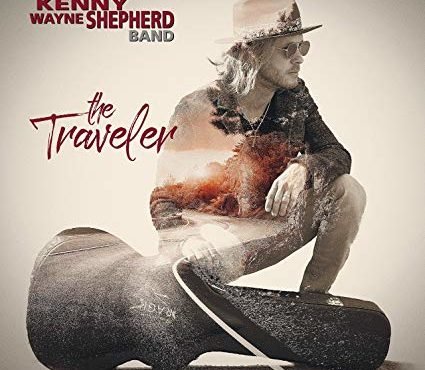
The Traveler

Kenny Wayne Shepherd – The Traveler

From rockandbluesmuse.com on The Traveler:

Kenny Wayne Shepherd has been making records for nearly 25 years now and has gone from a teenage blues prodigy to a fully-developed songwriter, guitarist, and bandleader in that time. His latest effort, The Traveler, comes out May 31st, 2019 on Concord Records and proves that Shepherd has, indeed, traveled the distance between being a hot-handed guitarist in the blues world and becoming the big-picture-oriented musician responsible for this incredibly engaging band and album.

The Traveler is a cohesive and powerful “band” recording full of outstanding songs, great grooves, and the sound of talented musicians who are a perfect fit for each other. Shepherd still has guitar chops to burn but this record never tries to be a shred showcase. The group sound is clearly the focus and it makes all the difference.

Shepherd tracked The Traveler in Los Angeles when he and the band were on a break from their eternal touring schedule. Co-produced by Shepherd and Marshall Altman, the set includes some of the strongest songs he has ever recorded. The current KWS Band includes vocalist Noah Hunt, drummer Chris “Whipper” Layton (formerly of Stevie Ray Vaughan’s Double Trouble), bassist Kevin McCormick, and keyboardists Jimmy McGorman and Joe Krown, a top-flight assemblage of players who create an identifiable sound built on road miles shared and houses left rocked. All of this adds up to an eminently listenable record that is easily among the best releases of 2019 in any style.

Shepherd turns the heat on from the opening cut, “Woman Like You,” a strutting, hook-filled blues/rock tune with an extra-large infusion of soul from vocalist Hunt and the big beat of Chris Layton on the drums. Shepherd smokes on the guitar in between them but never overpowers the hip-shaking groove and well-written lyrics. In a better, vanished time, this would be a platinum-selling single heard blasting out of every car stereo in town all summer long.

“Long Time Running” is a straight-ahead driving rock song that takes the energy level even higher and features an extremely well-phrased guitar solo from Kenny Wayne in a spot where lesser minds would play like they were getting paid by the note.

“I Want You” brings the band back to the blues, giving Shepherd a chance to stretch out some over a sultry, heavy pocket. Kenny’s Stratocaster tones are full and defined on both lead and rhythm and he uses them to put his skills right out front, daring anyone to say he’s lost a step. “Tailwind” shifts the band into a more mellow gear in the cleanup spot, smoothing out the vibe with acoustic guitars and a more delicate, mid-tempo approach. The song also gives the album its title and puts Noah Hunt’s vocals at center stage. Hunt has an exceptional presence to his voice that’s more than big enough to compete with the heavyweights behind him and listening to him here will heal your spirit.

Shepherd includes two inspired covers on The Traveler to keep things unpredictable and pay tribute to music he loves. The first is a dangerous-sounding rendition of Buffalo Springfield’s “Mr. Soul” that was inspired by performing the song at a benefit show with Springfield founders Stephen Stills and Neil Young. It’s all horns, vocals, and ripping guitars and will catch listeners by surprise on their first pass through the album. The record closes with a gritty reading of Joe Walsh’s “Turn to Stone,” a song Shepherd first performed at a fundraising concert honoring Walsh.

The best thing about The Traveler is that it’s only ten songs long and every one of them matters. The digital age has left us with too many 19-song albums that ultimately crush under the weight of their own filler. Shepherd opts for a more focused “all thrill no swill” mentality here and it makes the album go down like a bare-knuckle classic from guitar music’s two-sided glory days.

Kenny Wayne Shepherd has consistently done himself proud since first hitting the scene back in the day but The Traveler is a high-water mark by any metric you’d care to employ. These songs communicate the experiences of Shepherd’s life to date and show the world that time has taken no toll on his musical power.

Read More/Comment »
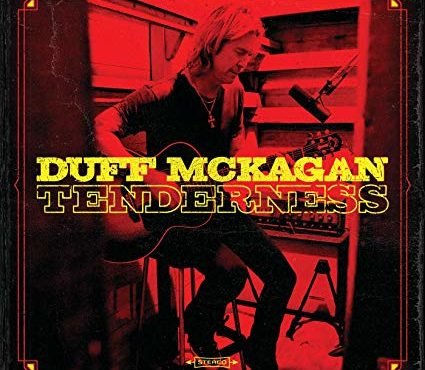
Tenderness

Duff McKagan – Tenderness

From kerrang.com on Tenderness:

When you’ve seen life from both top and bottom, you gain a good appreciation of how far it is between the two. If you’ve gone from the darkness back to the light, your emotions are likely to be of gratitude, of relief. It’s these feelings and emotions that underpin Tenderness, a reflective, pared- down, frequently revealing solo album from Guns N’ Roses bassist Duff McKagan.

Before opting to collaborate with country star and producer Shooter Jennings on these 11 songs, Duff envisaged the project as a new book – his third – reflecting on life, loss and love. The result is not, and was never intended to be, a rock record. Largely evoked on pedal steel and acoustic guitars, it’s a document of personal catharsis, looking back over the decades of his life and attempting to make sense of it all.

It opens with the title-track, which finds Shooter hitting sparse piano notes, allowing Duff’s words to resonate over gentle acoustic guitars. ‘Darkest days, the deals we made…God’s not around,’ he ruminates, perhaps reflecting on some of Guns N’ Roses’ less healthy pursuits during the band’s dysfunctional heyday. It moves towards a rousing chorus, backed by electric guitar, before returning to where it came from, the lyrics wishing for better days.

It’s Not Too Late furthers the positive vibe on which Tenderness ends, as does languid closer Don’t Look Behind You. Over sustained, silvery pedal steel sounds, Duff calls in the former for a return to the core values of humanity: ‘Turn off the screen and take a little stand, take a long walk and meet your fellow man.’ In Wasted Heart and Breaking Rocks, meanwhile, he sings in tones of hushed awe, the music and words dedicated to the significant others that stood by him during his days of alcohol abuse. Both have catchy hooks, but it’s the sentiment that strikes home – it genuinely feels as if the artist is finding ways of saying in song what he finds harder to articulate in real life.

Elsewhere, Last September and Feel are much darker, and for good reason. The former is quietly accompanied by violin, but the song’s gentility only amplifies the growing rage in Duff’s voice as he describes a violent predatory assault on a woman, and its aftermath. Feel, meanwhile, is a considered tribute to his former Velvet Revolver bandmate, the late Scott Weiland. It mourns the man that the bassist tried, unsuccessfully in the end, to help. A muted gospel choir adds depth to its sadness, which Duff – suffering the paradox of survivor’s guilt – addresses with the words, ‘All that remains is the love in my hands.’

There are further dark nights for the soul in Parkland, a scathing satire on America’s gun culture, and in Falling Down, in which dark, synthesised guitar spikes into a brilliant chorus. Chip Away, meanwhile, is the album’s most up-tempo, foot-tapping song, redolent of early David Bowie, bringing a welcome touch of ‘70s glam amid the country honk.

Throughout Tenderness, Duff takes a panoramic look through his past, one hand reaching for the holy water of exorcism, and the other raised in thanks for his journey’s happy resolution. It’s the work of a man expressing both gratitude and sorrow – while modestly overlooking his remarkable achievements. Country-fuelled it may be, rather than the expected full-pelt rock, but so open is this letter that it easily succeeds in transcending genres. It is, quite simply, the album Duff had to make.

Read More/Comment »
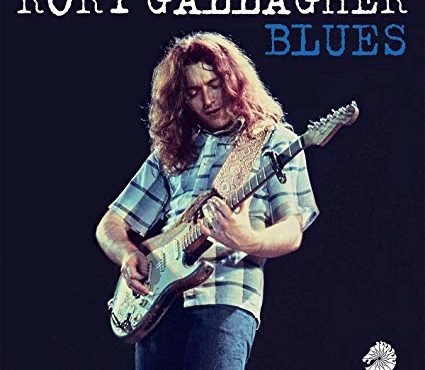
Blues

Rory Gallagher – Blues (Deluxe)

From therockpit.net on Blues:

The word ‘Legend’ is so overused these days, especially in music. Artists who seem to have been around for five minutes are routinely tagged with the word. In truth there are few legends and fewer guitarists who deserve that mantle: Jimi Hendrix, Keith Richards, Jimmy Page, Prince, Eric Clapton, Robert Johnson, Ritchie Blackmore, Muddy Waters, Freddy King, Albert King, Stevie Ray Vaughan and Jeff Beck would make up my list. Players like Joe Satriani, Steve Vai, Eddie Van Halen, Albert Collins, Mick Ronson, Randy Rhoads, John Lee Hooker, Curtis Mayfield, Elmore James, Carlos Santana, Robin Trower, Duane Allman, Brian “I owe Rory Gallagher my sound” May and Angus Young you could probably argue their way in.

And whilst players like Dave Gilmour, Pete Townshend, Slash, Chuck Berry, Dave Davies, Dimebag Darrell, Andy Summers, John Fahey, Dick Dale, John McLaughlin, Neil Young, T-Bone Walker, BB King, Johnny Winter, Robert Fripp, Peter Green, Joe Walsh, Otis Rush, Jerry Garcia, James Burton, Chet Atkins, Mark Knopfler, Tom Morello, Mick Taylor, Bert Jansch, Bo Diddly, Tony Iommi, Buddy Guy, Les Paul, Paul Gilbert, Joe Bonamassa, Gary Moore and Derek Trucks might be great and iconic along with potentially hundreds of other modern day masters are they ‘Legends’? I guess it depends on how you define the term. I see ‘Legends’ as describing those whose music you can’t imagine living without

To be honest though, without sounding disrespectful it’s a long way before some of mainstream media’s current darlings like Jack White, Graham Coxon, Matt Bellamy, Josh Homme or Peter Buck let alone players like Serge Pizzorno, Nick Valensi, Billie Joe Armstrong, Jonny Greenwood or Joey Santiago even get to look at the list of legends.

I’d argue for one further addition to the ‘Legends’ list though and that man would be Rory Gallagher. The new 3-CD release ‘Blues’ is my reason why. Not because its a collection of his best work but because it gives a snapshot of what goes to make up the soul of the man.

As a non-guitarist I’ve to be honest never been that impressed by technical flash and wizardry, guitar appreciation for me has always been more about tone and feel. Of course some guitarists have it all, but I’d much rather hear a guitarist who can make me weep than one who can impress other guitarists with his perfect timing and tapping technique.

Gallagher as a Blues guitarist strode his own path and never looked back – he started out forming Rock’s first Power Trio in Taste (John Lennon’s favourite ban some say); he took over from Clapton in Melody Maker’s famous Musician of the Year Poll in 1972; he was first choice to replace Mick Taylor in The Stones and was David Coverdales’ second choice (after Jeff Beck) to replace Ritchie Blackmore in Deep Purple. He, however, chose to continue to make his own music.

Gallagher was the man Clapton attributed with getting him back into the Blues and the man that Brain May says he appropriated his sound from. He is also the man who really understood the heart and soul of the Blues particularly the Chicago and Delta styles. But when you throw into the mix his prowess as a saxophonist and the fact he was a helluva vocalist you get a true individual talent.

Gallagher was also the first of his generation to eschew Marshall stacks in favor of his small Vox and Fender combo amps. He craved and cared about the sound. And whilst he played electric and acoustic Blues like the best of them most of all for me the real true magic of Gallagher was his improvisation, something more than Beck, Clapton or even Hendrix had in their bag of tricks.

This 3CD set from the vaults of the Gallagher estate’s tape archive encompasses it all and whilst it misses so much it really does capture the essence of the man split as it is into three sets – ‘Electric’ (CD1); ‘Acoustic’ (CD2) and ‘Live’ (CD3). Best for fans though is that this is essentially Rory playing his favourite material and all of it is either rare and/or unreleased.

The best version of ‘Blues’ of course is the 3CD version (though there are single CD and limited vinyl versions of the release) which contains almost 90% unreleased material including special guest sessions with legendary blues artists Muddy Waters and Albert King, some wonderful ‘lost’ radio sessions, as well as performances with legends like Jack Bruce, Lonnie Donegan (who of course was a formative influence for the young Rory) and Chris Barber. The 3-CD edition also adds an extensive booklet containing unseen pictures of Rory plus a new essay by award winning Blues/Rock writer Jas Obrecht (not seen by this reviewer).

Most collections like this aim themselves firmly at one market – the collector but interestingly even though the majority of the material here has never seen a release it also acts as a wonderful overview of Rory’s career with the collection draw from various sources from 1971 – 1994 spanning almost his entire solo career. That’s not to say it’s a Greatest Hits by any means – there’s no ‘Moonchild’, ‘Edged in Blue’, ‘Walk on Hot Coals’, ‘Tattooed Lady’, or many of what you might consider ‘Top Ten Gallagher.’ There are however some wonderful renditions of some of his best songs – a sizzling version of  ‘Bullfrog Blues’ (Unreleased WNCR Cleveland radio session from 1972) rounds out the ‘Electric Disc’; and there’s a great take on ‘ A Million Miles Away’ (Unreleased BBC Radio 1 Session 1973) on the same disc. I also love the outtake of ‘As the Crow Flies’ from the Tattoo sessions.

The ‘Acoustic Disc’ is a joy from start to finish comprised as it is of outtakes and radio sessions and the ‘Live’ disc is just the icing on the cake, I could pull out highlights and wax lyrical but it would be rather moot as there’s nothing here that isn’t there for a reason. This really is a collection to treasure.

Gallagher was one of the few modern day Bluesmen who is instantly recognisable and I think I love his playing so much as it feels so real, he wasn’t interested in ‘note perfect’ copies of the classics, he never seemed to play the same song in the same way twice and in that you could feel the joy the Blues gave him, the force of nature that guided his fingers. The Blues is a living thing and like B.B. King and Buddy Guy before him, Gallagher let his guitar take you on a trip through the story and into the belly of the song. His vocals were perfect for what he did, and with an acoustic in hand he could channel Lead Belly and Big Bill, but not without adding and giving part of himself.  Most of all he believed in his vision and remained true to it throughout. To me there’s no-one quite like Rory and this is a wonderful addition to any Blues collection.


Read More/Comment »
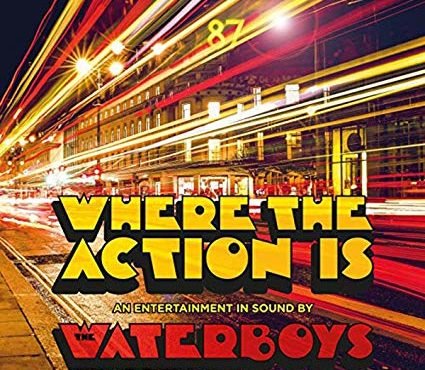
Where The Action Is

The Waterboys – Where The Action Is

From xsnoize.com on Where The Action Is:

Mike Scott’s inspired creation of the legendary band The Waterboys has produced a storied discography that defies genre labels. The band has wholeheartedly participated in the Big Music movement, redefined themselves as raggle-taggle folkies and produced mainstream rock all the while never letting the band get pigeonholed. On May 24 Mike Scott and his latest manifestation of The Waterboys will release “Where the Action Is”. The album follows their 2017 release “Out of All this Blue” and continues to defy genre definitions.

The title of the new album was inspired by the chorus of Robert Parker’s 1960’s Mod/Northern Soul classic, “Let’s Go Baby, Where the Action Is”. On the new release, the music generated is once again filled with emotion that connects on a deep level while elevating the soul. Mike Scott is the centre of the band’s existence as the membership in the Waterboys has intentionally continued to have an ever-changing musical line up.

On “Where the Action Is” Scott and The Waterboys continue his now over three-decade-long search to find and celebrate God’s mystical signature in the world. He combines pagan, primitive, spiritual and religious iconography with different sonic approaches to convey the latest results in his search. The recording begins with the title track an update of the Parker classic with new lyrics. There is a feeling of energy and pizzazz throughout that embodies the legacy of Scott’s enthusiastic Big Sound approach. Specific note should be paid to the Gospel-infused uplift played out with the call and response in the latter half of the song. Additionally, on the track, Steve Wickham’s fiddle was run through a fuzz box to provide the lead guitar sound. The result of this effort leaves the listener to proclaim “oh what fun”. “London Mick” is another pleasure as Scott shares his various encounters with The Clash’s Mick Jones. The song is an affectionate tribute to this legend in a Roman a Clef of sorts which produces a song that is lovable and winning. If you ever loved The Clash this song will thrill.

The track “Out of The Blue” might sound familiar to fans of The Waterboys because the song was the title track of the last album. Scott wanted another go at the selection feeling he could improve on the first version. The song was written for a friend who was in a dark place and discusses the wisdom acquired through pain and offers encouragement and reassurance. Scott retouches the track utilizing a Stax Records Gospel-flavoured approach that is just as engaging as the first recorded rendering.

The open-armed “Right Side of Heartbreak, (Wrong Side of Love) is an alluring track. The jangling guitar reminds me of Paul Weller’s bands The Style Council and The Jam. The crisp, clean production on this track is fascinating considering that it was initially recorded by Scott at home with a single mike and guitar. Scott on the song offers great insights into the challenges of relationships, and the cycles they go through. He questions the need for a façade to cover over deep emotions that exist under the surface in any bond.

On “In My Time On Earth” Scott continues to express his passionate, poetic nature. The song is set in our present day cultural landscape. Scott pulls no punches as he weighs in on what he sees. The chorus of the song balances all the angst of our immediate concerns and obsessions with the eternal secrets of the heart and the divine mystery that is hiding in plain sight. These truths are emphasized by lyrics like; “I will say what the heart knows and truth dies on a million tongues while a lie spreads like wildfire”. This acoustic track cannot help but be thought-provoking and evocative.

Bittersweet reminisce is captured on “Ladbrooke Grove Symphony” as Scott attempts to return to the time before this area of Notting Hill was gentrified. Again there is a bit of a Roman a Clef feeling to the narrative. Scott savours the aura of wild-eyed freedom that existed in the area when he resided there in the ’70s and ’80s. This genius track uses a “cocktail bar” sonic with insistent drums which would seem counter-intuitive but makes for a delightful selection. The recording makes a spectacular genre leap with “Take Me There I Will Follow You”, which captures Scott doing Rap. As unlikely as that seems the selection is an unexpected delight. The title of the track and its inspiration comes from a statement Scott made to his wife when he was befuddled by the confusing manic Tokyo street scene. I predict this will be a fan favourite in concert.

The final two tracks return to Scott’s wheelhouse, both look to the inspiration of nature, folk songs and literature as an impetus. “Then She Made the Lasses-O” is a modern interpretation of Robert Burn’s poem, “Green Grew the Rashes-O”. A poem that is beloved by Scott and he has finally recorded his own version. This interpretation blends the classic with the contemporary making for a winning amalgam. Steve Wickham provides the drama with his gorgeous fiddle play and the piano coda at the end is of note. The final track “Piper at the Gates of Dawn” is a reading by Scott set to music. The selection is taken from the most beautiful part of Kenneth Grahame’s “The Wind and the Willows” chapter of the same title. The song clocks in at nine minutes but is so very beautiful it is worth the time investment. “Piper” is transcendent as it illustrates all the awe and glory of nature. It is the realization of everything Scott has ever tried to convey with both his solo work and The Waterboys and it is a brilliant ending to a genre-jumping work of mastery.

The Waterboys has always been Mike Scott’s brainchild and no matter the band’s popularity he has always been inspiring and enthralling as he works within the project. On “Where the Action Is” longtime fans will find him continuing to build the band’s legacy and newcomers and occasional listeners will be wondering why they have waited so long to familiarize themselves with what the band has on offer. Scott and Co. show true mastery of their form and the set list is beautifully constructed with a great mix that carries you through to the end rapidly and engagingly. The Waterboys like a fine wine seem to only get better with age.

Read More/Comment »