Choice Classic Rock

New Releases

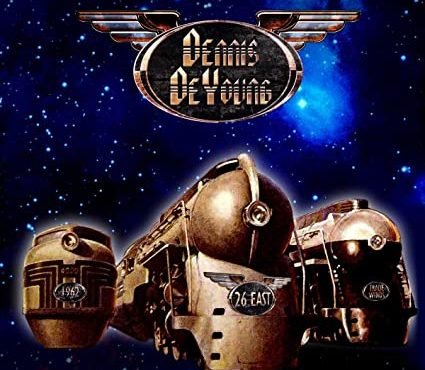
26 East, Vol. 1

Dennis DeYoung – 26 East, Vol. 1

From stargazed.net on 26 East, Vol. 1:

When you see the name Dennis DeYoung you automatically think of Styx as he was one of the founders as well as one of the most important writers in the band. On Styx first eight albums he could do nothing wrong. His song writing skills was exceptional mixing pop, rock and prog in what many called pomp rock. Unfortunately something happened with his song writing around the time of the release of “Cornerstone” as he changed direction to a more commercial style with more ballads and musical style songs which did not appeal to a lot of the older fans of the band, even though they gained a lot of new fans as well. Anyway, I love the kind of progy older Styx style and don’t care that much for the three albums that they released after the change of direction before the they split up after “Kilroy Was Here” in 1983. I actually don’t think that Dennis has written a decent tune on any of his solo albums or Styx albums released after “Pieces of Eight” until he was kind of kicked out of the band following the release of “Brave New World”, his last album with Styx. So now you know where I stand.

Anyway, in 2007 Dennis released an album “One Hundred Years from Now” that was rumored to be a return to the more progressive style again. Even though the album had a couple of pretty good songs it was nowhere near the style of early Styx and it could not compete with “Cyclorama”, Styx first album since his departure. Sometime after this Dennis put together a new band and started to tour as “Dennis DeYoung… And the Music of Styx Live”. A pretty good live album from the tour was released both on CD and DVD/Bluray. Now some of his fans said that he was sounding more like Styx than the current version of the band, I don’t agree. Dennis then wanted a reunion with Styx for a final tour, something that he still hopes for, but so far Styx declines for various reasons.

Well, after the live album Frontiers Records suggested that Dennis should record a new solo album and after some persuasion from his old friend Jim Peterik he agreed to do one final album, but he was so inspired that he wrote songs enough for two albums, “26 EAST: Volume 1 and 2”. Once again the rumors started that Dennis was going to out Styx the current Styx, so my expectations was quit high when I first listened “26 EAST: Volume 1”.

The album starts very promising with “East of Midnight”, a song with most of the classic Styx trademarks. A pomp rock song that is better than anything Dennis has written since “Pieces of Eight”. Unfortunately, this is also by far the best song on the album. The second song “With All Due Respect” starts with an attempt at a humorous speech about fake things. It’s pretty clever, but only the first time you hear it before it gets annoying. The music is pretty boring straight rock that don’t appeal to me. However, the third track “A Kingdom Ablaze” is a very good suggestive piece that is probably the albums second best song. It doesn’t sound much like Styx though, but I still like it a lot.
“You My Love” sound more like an Abba song than anything else, and even though I like a lot of Abbas music this is not my cup of tea.
On “Run For The Roses” you can clearly hear Dennis love for musicals, a love that I don’t share so I really don’t care that much for this song either.

“Damn That Dream” starts better and is actually a pretty good song that has some good Styx moments, but the refrain reminds me more of Journey around “Escape” than Styx. Probably my third favorite track on the album.
“Unbroken” is kind off a power ballad and as I never cared much for ballads, I get very bored with it…
”The Promise Of This Land” starts out like a ballad but soon turns quite heavy for a bit before it settles in a mixed style of Styx and a musicals. It’s actually quite good but for the first time you can hear a strain on Dennis vocals who other ways have been amazingly good on this album.

”To The Good Old Days” is once again a ballad, this time a duet with Julian Lennon.
“A.D. 2020” is a wink back to “Paradise Theatre” which closes the album quite nicely.

So what is my verdict? Well, if you like me where hoping for a progressive pomp rock return, you will be disappointed but if you like musicals, ballads, classic rock and Dennis voice you will probably love it.

I will still buy the album on the strength of the three or four songs that I do like. Also, I have always loved Dennis keyboard style and sounds. Not to talk about his vocals, but I was so much hoping for more.

Styx latest album “The Mission” is in my humble opinion a superior album that actually sounds like classic Styx. I understand why they don’t favor a reunion.

However, now I’m looking forward to “26 EAST: Volume 2” whenever that is released. My hopes are high again…
Read More/Comment »
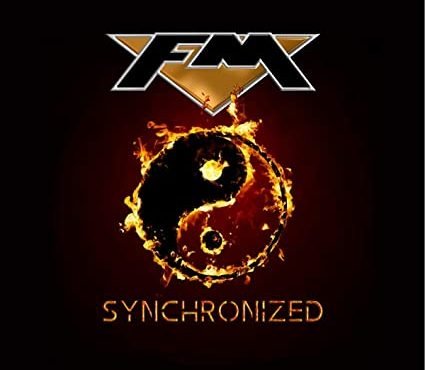
Synchronized

FM – Synchronized

From metalplanetmusic.com on Synchronized:

Returning with their 12th studio album FM are back with a bang ! Having witnessed this great UK institution live on numerous occasions including that memorable evening way back in 2007 when the group reformed for a “One-Off” headline performance at the much missed Firefest UK festival, this classy outfit has just gone from strength to strength. With a line up consisting of, 

STEVE OVERLAND…Vocals, Guitar 

MERV GOLDSWORTHY…Bass Guitar 

PETE JUPP…Drums 

JEM DAVIS…Keyboards 

JIM KIRKPATRICK….Guitars

Make no mistake with what this band have achieved over the years with sold out gigs and festival slots the world over, Download, Sweden Rock, GraspopSteelhouse, Frontiers, HRH, Rock & Blues, Giants of Rock, Ramblin’ Man just to mention a few and along with rock solid studio albums such as the debut “INDISCREET” from way back in 1986, and the hugely impressive “TOUGH IT OUT” from 1989.  

So fast forward 36 years from their formation in 1984, we are treated to a dozen fresh tracks that I am sure should whet the appetite for the fans and rock lovers alike. 

Title track “SYNCHRONIZED” fires up the album with a roaring guitar and a solid keyboard feel with those unmistakable oozing vocals of Steve Overland making the song tick along with total ease. Mid tempo is the best way to describe the track with the groups familiar leanings towards AOR / Melodic proudly on display.

“SUPERSTAR” ups the ante with a stupendous slickness and a cracking chorus, if BON JOVI ever need a reminder or a lesson on how to write a rip roaring catchy song then look no further than “SUPERSTAR” with its stacked up vocals and Jim Kirkpatrick’s solid riffs its a feel good number from the top drawer of UK melodic rock.

“BEST OF TIMES” the first so called ballad on the album, with gentle acoustic guitar that is later joined with the full plugged in treatment and a simple solid drum beat, is steered along with that voice and that voice is still as strong after all these yearsVvocalists of this standard are few and far between with BOWES (Thunder), MacDONALD,( Skin, House Of Dimes) and OVERLAND in my opinion all being of the same calibre which sets the benchmark for others to follow. This track shows the wide breadth of styles that FM are prepared to record and release. 

“CHANGE FOR THE BETTER” has that feel good summer feel to it reminding of another wonderful group ( Stage Dolls ) starting off with a gentle high hat and soothing guitar plucking away before everything kicks in.   It has that uplifting feel to it that is much appreciated in these dark, horrible times that everyone is going through with the terrible virus that has engulfed all our lives. In fact this song is so enjoyable I have it playing on a loop, the way the keyboards intertwine with the guitars works perfectly and if people think FM’s heady days are behind them, then this song alone will change that opinion for sure, 

Starting off with a short recording of a Radio / TV broadcast we are treated with a crunching riff and a mighty roar from Steve Overland as the track “END OF DAYS” with its hard hitting lyrics about social disease and social destruction comes oozing from the speakers with a beautiful interaction between keyboards and guitars.   A dramatic sounding song with some hard hitting from Pete Jupp that propels everything along. 

HELL OR HIGH WATER” brings the fun back with it faster groove and chunky guitar. The way the vocals and backing vocals combine it displays in places a bit of a boogie riff but with the song consisting of 2 different tempos it alternates, but by the time we get to the guitar solo there is no holding back as its rips away. Another fun good time song all topped off with a master stroke of a vocal from Overland.

“ANGELS CRIED” well if you love a bit of slide guitar then look no further than this amazing song. I just can’t get my head around how stunning it sounds. Easily the best track on the album with piano that is there for the duration and some vocals that make the hairs on your arms stand up.

This is a one of the best songs the group have EVER put their name to, and when a group has 12 studio albums under their belts then that’s a bold statement ! The six-minute duration is filled with every emotion you can think of with soothing moments that then just builds and builds and sometimes feels like it has gospel touches. Impressive is a word that just about sums “ANGELS CRIED” perfectly. 

“READY FOR ME” with its sampled intro beat and weird noises, makes way for a bit of cowbell and a solid head down rocking tempo, prime time FM and a perfect way to finish the album off, but also leaving the listener wanting more. When the group fire up and blast out a song like this then it shows the other side to the coin and is a welcome sound to my ears. If you like your music to explore different styles then look no further than this album, it has ballads, rockers, a lots of groove and of course the stunning “ANGELS CRIED” a track so powerful that anyone that hears it will, like me be blown away.  

I am so impressed with this album and when it gets its physical release will certainly pick up a copy and I recommend everyone else should to.


Read More/Comment »
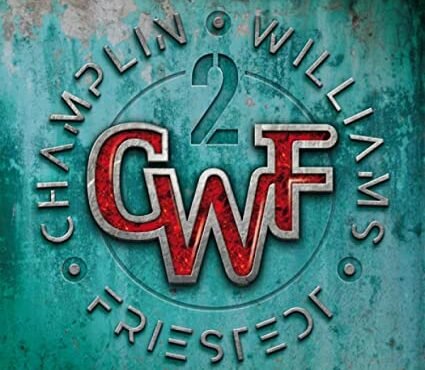
CWF 2

Champlin Williams Friestedt – CWF 2

From crypticrock.com on CWF 2:

The term supergroup is often used to describe a collective of musicians who have earned accomplishments elsewhere, but join forces for something new. Sometimes effective, but other times a disappointment, if anything, it shows that talent/skill is only a portion of the equation for success. That in mind, Champlin Williams Friestedt makes a case for one of the stronger conglomerates to come together in recent years.

Some might say, “What in the world is Champlin Williams Friestedt?” The answer – former Chicago Singer Bill Champlin, TOTO Singer Joseph Williams, and Swedish Guitarist/Producer Peter Friestedt. Added to that explanation, those with a more casual outlook toward music, Champlin was a key component in Chicago’s resurgence in the 1980s and the lead voice behind their most successful single “Look Away.” This is not to mention he co-penned “After The Love Has Gone” for Earth, Wind & Fire and “Turn Your Love Around” for George Benson, among many other songs. Then there is Williams who fronted TOTO from 1986 to 1988, and again from 2010 to 2019. Finally, you have Peter Friestedt, an accomplished musician/producer who has worked with Champlin on various other occasions.

A project that came together some time ago, together they released a live concert DVD in 2014, their debut album CWF in 2015, as well as the 10 Miles EP in 2018. Quietly finding success as a cohesive unit, but all busy with other projects – Williams wrapping up the final studio album with TOTO in 2018 and Champlin touring/writing his own material – they have finally reassembled to put together their new album, II.

II, set for release on Friday, May 15th, 2020 via Black Lodge Records, is a collection of ten invigorating songs recorded by the trio. Assuming you have no prior knowledge of their previous material, the best way to describe II is an album of well-composed, melodic, soft Rock-n-Roll. Better yet, if you were a fan of Chicago during their resurgence years of the 1980s, you are going to love this album. This is clearly because Champlin’s voice and songwriting fingerprints are all over this material – think his Chicago sung hits like “Hard Habit to Break,” “Look Away,” and “I Don’t Wanna Live Without Your Love.” Compelling enough for a fan of this particular era of music, add to it Williams’ voice and Friestedt’s musicality, you have a recipe for one heck of an album.

These descriptions provides, let us get right to the music which includes the upbeat heavier guitar driven opener “Runaway Dancer,” a smooth trip down the interstate with “10 Miles,” featuring the on the EP by the same title, and “All The Love In The World” featuring a delightful appearance from Michael McDonald. Then you have the bright soundtrack-esque “Amanda’s Disguise,” also on the 10 Miles EP, Chicago tingling “Between The Lines,” and the heartfelt anthemic “All That I Want.” Further peaking your interest, there is the equally touching “Restless Love,” larger than life “Price of Love” with vocals from Tamara Champlin, along with a balanced Champlin-Williams vocal attack on closer “Sometimes You Win.” This is not to mention in between it all there is a fantastic re-imagined version of “Look Away.”

Overall, II is an album that captures everything you loved about the softer melodic Rock music that was prevalent in the 1980s. This is not to say its sound is dated… because how can classic songwriting and stellar production ever be? That is why II is a timeless, silky smooth album that you will want to listen to over and over again. For this, Cryptic Rock gives it 5 out of 5 stars.

Read More/Comment »
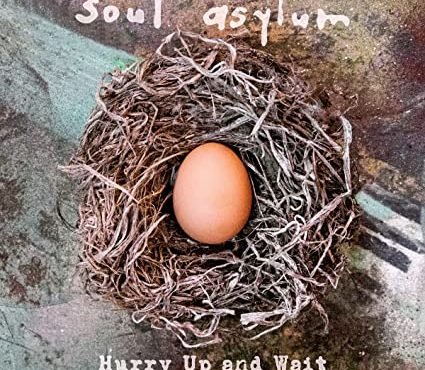
Hurry Up and Wait

Soul Asylum – Hurry Up and Wait

From rocknloadmag.com on Hurry Up and Wait:

Opening with a quick crunch of guitar, ‘In the Beginning’ possesses a charming floaty melody that makes for perfect sunny afternoon listening.  It is an encouraging pull of a song which – with its muffled trumpet – attempts to coax you out of your shell, telling you to “Pull yourself up by the straps of your overalls” and grasp hold of life.  ‘Got It Pretty Good’ is another upbeat song that features pounding drums and a choppy riff, the chorus providing a good opportunity of an earworm.  Some of the lyrics are almost laughed-out, perhaps hinting that the situation the song was written about is laughable and the line “I’m doing just fine” does sound like someone is determined to convince themselves. Even the midway guitar solo in this track seems to mimic the tune that has just been sung. 

There are some classic ‘90s-era Soul Asylum feels on this album with ‘Make her Laugh’ – a gentle feel-good song featuring strong electric acoustic guitar moments – ‘Social Butterfly’ which gently and steadily paints a picture of someone who is really trying  to find the courage to say the right thing when they would really rather just hide and ‘Here We Go’ with its happy guitar tune that bounces you through with a loving message “If I could be anywhere, I wish I were with you.”

There are more melancholy moments and stunning gravelly tones that sweep you up in ‘If I Told You’ which seems to be a song of wanting to reveal hidden feelings but being scared to.  The electric guitar solo mid-way through the track feels beautifully heartfelt. Whilst ‘Silent Treatment’ takes you on a magical, mythical stroll with its twinkly start and lyrics involving mermaids, unicorns, and dragons. The tune is pretty and the voice beautiful but the general message is that “no one really, really cares.”  ‘Silly Things’ is like a full-on musical apology.  A stark realization that life is nothing without love.  Coolness means nothing. Trouble isn’t worth it and we need to act responsibly because the consequences of doing stupid things are hard to deal with.  The guitar solo in this song is echoey and smooth, the vocals strong and clear.

A more experimental aspect of the album is ‘Dead Letter.’ A guitar note is held for the intro but this track quickly turns in to an almost sea-shanty/ folk song.  There are drums and bass guitar too but the focus is on the strummed guitar and the lyrical tale.  Whereas the ‘80’s rock vibe of ‘Busy Signals’ also adds a fun touch.  Full of interesting drum fills and with parts of the lyrics sung through a megaphone for a phone-line effect.  

The unmistakable voice of Dave Pirner is evident throughout this 13-track album.  He has the ability to hit you with calm smooth tones, to caution you with vocal scowls or to totally outfox you with those shy, gently-cracking elements as he delivers his words to your ears.  

 If you’re looking for a pleasant album full of harmonious vocals and life-experience, easy-going sing-song melodies and interesting varied styles, then you’ve landed in the right place.

Read More/Comment »
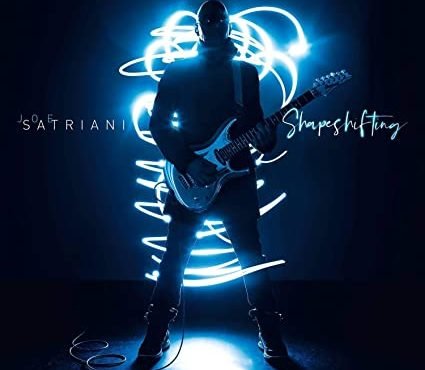
Shapeshifting

Joe Satriani – Shapeshifting

From meaww.com on Shapeshifting:

The legendary Joe Satriani needs no introduction. As one of the world’s most famous guitarists, and mentor to some of the most esteemed names in the rock community like Steve Vai, Kirk Hammett, Larry LaLonde, Alex Skolnick, and Charlie Hunter, Satriani is known for his incredibly technical and melodically fluid guitar-playing style. After touring with the likes of Mick Jagger, Deep Purple, and G3, and having sold over 10 million records worldwide, it seemed like there were no worlds left to conquer for the 15-time Grammy Award nominee.

But for his 18th studio record, ‘Shapeshifting’, which releases on April 10, Satriani wanted to convey a fresh feel and concept for the new album. “I was thinking about creating a record that would tell a story about me, as an artiste, going through dramatic artistic changes – physical, emotional, intellectual changes. Morphing into different versions of myself to try to achieve some new musical standard or destination,” he said in an ‘Inside Shapeshifting’ video.

And the wide musical spectrum on this album certainly bears that mission statement in mind. “I started to think that that sounds like 15 different guitar players,” he said of his latest full-length offering, which originally contained 15 tracks that traversed a plethora of varied styles. “I know it’s the same guy, because it’s me, but it sounds like I’m really moving into an area where each melody requires me to almost be somebody else,” he revealed.

The guitarist was able to transcend new musical dimensions on all 13 of the finalized tracks, aided by co-producer Jim Scott, bassist Chris Chaney, keyboardist Eric Caudieux, and drummer Kenny Aronoff, who Satriani knows well from his days with the supergroup Chickenfoot. “I was so excited about the idea of musically shape-shifting for every song,” he says. “I’ve learned over the years when you can be passionate about a theme, music, melody or whatever, you just go into it 100 percent and don’t worry about what people might think. You can worry about that later, after its released.”

The resulting album is pretty spectacular and compelling, fulfilling our expectations while being wildly unpredictable. The opening track ‘Shapeshifting’ features all the regular Joe Satriani staples — groovy riffs, wailing solos, modal interplay, and some carefully manipulated feedback. ‘Big Distortion’ has a vintage, hand-clapping stadium rock vibe to it, like the guitarist took a Journey or Boston throwback tune and proceeded to elevate it into the stratosphere with his guitar pyrotechnics.

‘All for Love’ slows the pace down with a haunting, ambling melody and some feather-light accompaniments while Joe’s guitar weeps and transforms itself into a torrential downpour. The aptly named ‘Ali Farka, Dick Dale, an Alien and Me’ takes you by surprise from the start, with its romping groove and Eastern desert and sunny beach-flavored vibe. Ali Farka was an African music legend, while Dick Dale was a surf rock hero, so it seems like the ‘Surfing With The Alien’ hitmaker was happily incorporating their styles into this otherworldly jam, that is definitely one of the strangest tracks on this album.

The lead single ‘Nineteen Eighty’ sees Satriani rolling back the years and channeling Eddie Van Halen as he revisits a glorious year for the entertainment industry. “The year that ‘American Gigolo’, ‘The Shining’, ‘Raging Bull’ and ‘Caddyshack’ came out, I just wanted to rock. ‘Nineteen Eighty’ is my high-energy throwback instrumental soundtrack to that year,” explains Satriani.

‘Teardrops’ features a sauntering, dynamic interplay between Satriani’s wah-infused guitar and a stark bassline — there are even some chiming church bells and handclaps to help accentuate the booming rhythms. The track is delightfully restrained and controlled, holding itself back from exploding over the top, which further adds to its sense of drama.

‘Perfect Dust’ is another immediate left turn, a Southern country-blues tinted vibe flavored by some sweet barbecue sauce thrown over the song’s delicious, meaty riffs. ‘All My Friends Are Here’ takes an old-school palm-muted riff and transforms it into a soaring, majestic bird that surveys the world in all its splendor. Satriani really knows how to make his guitar sing and tap into the instrument’s unlimited potential.

‘Falling Stars’ is a mysterious, enigmatic chugger that slowly reveals itself under the cover of darkness, like a gradually uncoiling spring. ‘Spirits, Ghosts, and Outlaws’ is a straight-out blazing rocker imbued with more incendiary guitar wizardry and high-octane fretting. This song’s name nearly became the title of the album, before Satriani realized that the shapeshifting theme better encapsulated his overall approach to the project. ‘Here the Blue River’ is another curveball on this record, paying homage to Jamaican reggae music by evoking the laidback, serene spirit of Bob Marley and his Rastafari brethren, mixed in with some string-bending heroics.

‘Waiting’ is another surprising track waiting to be discovered by the listener. It starts off with the laughter of children and is a delightful, understated track that features some tender piano and subtle mandolin flourishes, played by none other than Christopher Guest (best known for his role in the cult film ‘Spinal Tap’). The short & sweet acoustic album closer, ‘Yesterday’s Yesterday’ features something we haven’t heard too often from Joe Satriani in the past – cheerful whistling and banjo! This amazing album truly continues to surprise and enthrall the listener all the way to the end.

But Satriani knows he couldn’t have pulled off this remarkable, epic effort without his equally-talented collaborators. “Everyone brought their A-game and gave me everything they had, which was so great – I couldn’t have done it without them,” the guitar guru revealed. “I think when an artist decides they want to really step out of their comfort zone and try something that they’ve never tried before, that’s where interesting things happen. That process is almost more important than the end result, because the process is what keeps the artist alive.”


Read More/Comment »
The New Abnormal

The Strokes – The New Abnormal

From variety.com on The New Abnormal:

Isn’t the next big thing simply the next banal thing hiding in plain sight, waiting to make bad on its best promises?

After a daring debut album and a mostly dazzling but slightly shopworn follow-up, that act will inevitably wear out its welcome and stomp all over its burgeoning legend, fast. Some chase the dragon of that success, or break up, or stop and wait before moving out of that shadow. They may make daft or dull solo albums — including the drummer, damn it, even the drummer! — that their audience couldn’t care less about. Or they may get a chance to relive that twilight’s first gleaming, with their freshest album since their start.

If you’re the Strokes, you do all of the above.

The darlings of NYC’s Avenue A at the end of the ’90s (mere minutes before Brooklyn became the place to be) updated their beloved Velvet Underground’s metronomic thud and allowed sneer-er/lyricist Julian Casablancas to checklist the nastiest bits from Lou Reed’s scene-y, shadowy noir without missing the romanticism or further mussing his already stylishly mussed hair. That’s 2001’s “Is This It,” in a nutshell. That also happens to be 2020’s “The New Abnormal,” in another, shinier, salvation-seeking nutshell.

Calling an album “The New Abnormal” is probably meant to have the same zeitgeist-y disposition to the mess that is this moment as the fashionably dissolute and dissatisfied “Is This It” had toward its time. Yet the cascading melodies and Casablancas’ lyrical mix of pragmatism and hope tells the listener something quite different, and in zestier, glossier manners than ever before.

“Can the dark side light my way out?” asks Casablancas on “Selfless,” mere seconds before he answers his own question, summing up the new album’s lyrical vibe: “Yeah.”

Even when Casablancas toys with endgames and elegy on the album’s synth-phonic closer, “Ode to the Mets,” there is forward motion after the laughter and the forgetting. “The old ways at the bottom / The ocean now has swallowed / The only thing that’s left is us / So pardon the silence that you’re hearing.”

Those lyrics suggest a desire to eschew the past, but that doesn’t mean there isn’t a prevalent sense of soulful reminiscence throughout “The New Abnormal.” The soic foundation of the album has the band reveling in recollection, with glee. Still intact since 1998 (with Casablancas joined by Nikolai Fraiture, Albert Hammond Jr., Fabrizio Moretti and Nick Valensi), the Strokes find creature comfort in their teen dream, and chew on its influence like dogs happily ravaging a meaty bone, then displaying the shorn, shiny carcass.

With its smart, clipped synths and clean, curly guitars, the new wave-y “Brooklyn Bridge to Chorus” asks the musical question, “And the ’80’s song, yeah how did it go?… And the ’80s bands, where did they go?”

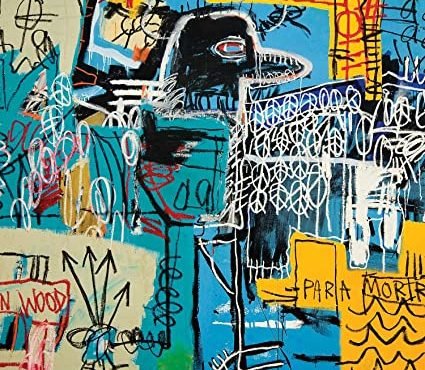
The ’80s go to roost, hard, in “The New Abnormal,” with the album’s musical nods to Danceteria-era, glossy British dance-punk, not to mention its cover painting by Jean-Michel Basquiat, 1984’s “Bird on Money,” itself a tribute to the raucous spirit of bop master Charlie Parker. You can almost picture them in their fuzzy-haired, upper-crusty adolescence listening to the Cars and the Human League.

The sleek past, reclaimed for the present, is a palette for the Strokes to create the band’s bluntest and most contagious — yet experimental — work. Credit can be shared with their new producer, Rick Rubin, a new studio atmosphere in sunny Malibu, and Casablancas taking the instrumental lead on keyboards. That’s a talent he undertook on the Strokes’ aptly titled 2011 album “Angles,” then refined with his oddball, synth-skronky solo project, the Voidz.

Two tracks, in particular, move from the group being enriched by their influences into full-blown interpolation, as the writing credits betray.

“Bad Decisions,” with its yelped vocals, prancing rhythm and taut instrumentation, sounds like a cross between Modern English’s “I Melt with You” and Generation X’s “Dancing with Myself,” complete with the latter’s “uh-uh-uh-a-oh” bridge from spiky icon Billy Idol. Before you think the Strokes have transgressed and owe Idol money, check the fine print: Idol and Tony James are named as co-authors of the new track.

Several songs later, during the Minneapolis-inspired pop-funk of “Eternal Summer,” while Casablancas moves dramatically from a teetering falsetto to a nasal dip, the song’s chorus breathes heavily the air of “The Ghost in You” from the Psychedelic Furs. Magically, the Furs’ brothers Richard and Timothy Butler also appear as co-songwriters.

It’s a fascinating bit of appropriation for the Strokes, in that these steals show off a warm embrace of from whence the quintet came.

The rest of “The New Abnormal” doesn’t indulge in quite such flagrant cribbing, even if its heart is in a similar place and time.

“The Adults Are Talking” and the aforementioned “Selfless” start off slow and stately, speed their way to finale with wet, picked guitars and snapped snares, and feature Casablancas at his most understated, whispery and teasing. He coolly under-sings, then rope-a-dopes his way to a quaint, faint falsetto end on “Adults” and a dramatic flip on “Selfless.”

More so than the rest of the Strokes, Casablancas sounds as if he’s having a hammy, exploratory ball, something he pushes to its most theatrical limit with “At the Door.” Here, the slow, souped-up Farfisa buzzes and whirrs of his instrumental contributions give him room to croon tremblingly and convincingly like a cheesy lounge singer. “My thoughts — such a mess,” he sings, in a glad-to-be-unhappy moan. “Like a little boy.”

But the song is the Strokes at their fussiest, so this is the very best cheese and, with that, the album’s sweetest, most memorable melody. It goes on a little too long, and the band seems to meander, but it works.

That same lounge singer appears, overemphasizing his vocal fry at the end of each phrase, on the spy-theme-like “Not the Same Anymore,” with Casablancas elongating lines such as “You make a better window than a door” with weirdo glee. The guy’s a real scenery chewer.

Nothing, though, is as slick and theatrical as the melancholy melody of “Ode to The Mets.” In this elegant, odd finale to a sharp-kicking album, Casablancas and company open their arrangements to something blooping and amorphous and give the singer free reign to roam. From glowering to growling, from monotone to octave jumping, Casablancas offers threats and promises alike in lines such as “I’m gonna find out the truth when I get back,” creating a spooky mystery ending for such a direct, flashy album.

If this is the Strokes’ new abnormal, here’s hoping they never look back.


Read More/Comment »
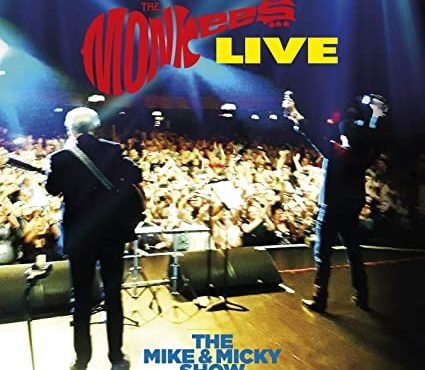
The Mike & Micky Show

The Monkees – The Mike & Micky Show

From t2conline.com on The Mike & Micky Show:

Hey, we’re gonna form a group–and they have!

First, silence. Then, slowly, a growing audience roar more than 50 years in the making is heard. Two singers shout out their own individual “Hello!” to the crowd, and the listener just knows this is going to be fun. Suddenly, the classic Fender Telecaster-driven arpeggio riff that opens the 1966 #1 single “Last Train to Clarksville” is played, and a band every bit as strong and secure as the recording industry’s legendary studio backing group “The Wrecking Crew” kicks in. The Monkees are back, and the new concert album “The Mike & Micky Show Live” (Rhino Records) proves it beyond all form of mortal measure.

Speaking of mortality, the ongoing evolution of this band has in some ways devolved—from four members down to two. Both song and dance man Davy “Manchester Cowboy” Jones and the multi-instrumentalist soul of the original group, Peter Tork, have shuffled off their respective mortal coils—Jones in 2012 at age 66 following a sudden massive heart attack, and Tork from a long bout with cancer that claimed him only a few days after turning 77 last year.

That now leaves just Micky Dolenz—born to Hollywood parentage as “George Michael Dolenz” back in 1945—and Michael Nesmith, bequeathed the name “Robert Michael Nesmith” in 1942 a few short years before mother Bette invented “Liquid Paper” and a few decades before Nesmith invented a new form of pop music consumption called MTV.

For these two aging hipster septuagenarians, naysayers might say it’s accomplishment enough if they are merely able to finish any of their concerts with their pipes—and their reputations—intact. The sheer beauty, however, of this new live album—recorded during last year’s successful U.S. tour—is just how strongly Messrs. Dolenz and Nesmith have emblazoned excellence, and even transcendence, upon their band’s legacy for all time.

Produced by longtime Monkees archivist Andrew Sandoval (whose name has been synonymous with all things Rhino practically since its inception in the late 1970’s) and featuring a pristine mix by none other than Nesmith’s eldest son Christian Nesmith (who also back-up sings and plays guitar in the group), this new release is that definitive “top-of-the-line” live concert album recording that The Monkees have never truly been able to deliver—until now. Prior to this point, the only major label concert release for the “Pre-Fab Four” was the 1987 release, Live 1967—followed in 2001 by the more extensive four-disc box set Summer 1967: The Complete U.S. Concert Recordings. More a fanboy curiosity than a truly enjoyable concert album, the soundboard recordings from those 1967 shows are historically significant because they capture the group—basically thrown into a massive concert tour in support of a hit TV show, with only a few weeks’ rehearsal in addition to all-day-long TV episode shoots followed by evening recording sessions—trying their best to sound like The Wrecking Crew band on their records (not then possible), while also doing their best to sing the songs’ vocals (thanks to the screaming teenage crowds, not then audible).
A lot has happened, though, since those primitive-sounding concerts from the 60’s. Armed with their own superior musicianship and remarkable shared stage presence, both Dolenz and Nesmith emerge in this concert album as exemplars in the art of show and their show of art throughout this remarkable performance. Backed by a super-tight live band, driven by drummer Rich Dart’s phenomenal backbeat throughout—as kick-ass rockin’ on the Nesmith-written “Mary Mary” as it is light and playful on the Nesmith-sung “The Door Into Summer—we have here a selection of songs guaranteed to please the first-time and “hit songs only” fans just as much as the “deep tracks” crowd who have impassioned debates about which of the two versions of “She Hangs Out” is the superior take (for myself, I think the far funkier version on the Pisces, Aquarius, Capricorn, & Jones Ltd.  album is better than early-days producer Don Kirshner’s initial version briefly released as a “Canadian market-only” 45 RPM flip side to “A Little Bit Me, A Little Bit You” before Nez and the boys insisted it be replaced with the Nesmith-penned “The Girl I Knew Somewhere”).

Speaking of “A Little Bit Me, A Little Bit You,” it’s one of only two Davy Jones-sung songs—the other being, of course, the obligatory “Daydream Believer”—in this entire set list, both ably covered by Dolenz. In addition to time being the best measurer of The Monkees’ true value and talent as one of America’s best hit-making bands of the 1960s, time has also revealed Micky Dolenz as “the” singing voice of The Monkees. He’s there on lead at the show’s start with “Last Train to Clarksville,” and he’s there to sing us into the finale with “I’m A Believer”—and he still performs all of these songs he has sung in their original keys, something that further defines him as one of rock ’n roll’s best singers.

Nesmith, who only officially returned to the world of live Monkees shows again after years away starting back in 2013, has things both ways on the songs he sings. Some, like “My Sunny Girlfriend” or “You Just May Be the One,” are sung in the original key; others, like “Papa Gene’s Blues” (tucked into the “acoustic section” of the evening) or “Sweet Young Thing,” are pitched a little lower to better suit those contours and shadings more evident in the slightly older—and, to believe the man from his 2017 autobiography Infinite Tuesday, wiser—tenor of his baritone voice (talk about duality).

The real magic of the album, though, and of the “Mike & Micky” live shows, are those songs that have either never been done before live—for example, “St. Matthew” or “Auntie’s Municipal Court,” both from their often-underrated fifth album The Birds, The Bees & The Monkees (1968)—or those songs from the band’s newest—and, according to some, their best—album, aptly titled Good Times! released in 2016 on the fiftieth anniversary of the band’s TV show and debut album. Both the psychedelic-rock homage of “Birth of an Accidental Hipster” and the tender lyricism of “Me & Magdalena” from this twelfth Monkees studio album benefits as performed here from the Dolenz and Nesmith magic—first in a call-and-response fashion, then in the harmonious blend of two long-singing and still-standing brothers. When Papa Nez tells the audience in a sweet moment of the album before the short acoustic set that he’s “never enjoyed working with anyone as much as Micky,” all true Monkees fans will likely find themselves close to shedding a tear—only to then be led into laughter when Micky drolly responds to Nez, “I never enjoyed working with anyone as much as me, too!” It’s then you realize you are sharing time listening to two friends who also happen to be Monkees.

Though nearly all the song’s performances here in this concert are virtually note-for-note from the original recordings (including a version of “The Door Into Summer” set to become a hit track during the upcoming Summer of 2020), the song that, for this reviewer, actually improves in live performance beyond the original recording is—without question—Nesmith’s track, “Tapioca Tundra.” The slightly slower arrangement of the song on this live album allows for a much better evocation of Nez’s words and themes. On this version, you can really hear the song’s dreamlike lyrics; and its images come to life a little more readily in the listener’s mind. Furthermore, the song’s tempo as originally recorded back in 1967 now feels a bit disjointed and uncomfortably hurried by way of comparison. Something slower and softer wins the game—even in rock music.

While it’s true the album sounds so much better than any previously recorded Monkees live shows (at times perhaps too much better, occasionally sacrificing spontaneity in place of sonic clarity), it also feels like something is missing from this musical Monkees missive—some essential element from the original blueprint that I believe far too many have lost sight of all these years. For this reviewer, what’s missing is the presence of Peter Tork. Great as this recording and the “Mike & Micky” concert experience itself is—and will be again, as recently cancelled dates are being rescheduled to later this year, after we have hopefully beaten down the COVID-19 curve—listening to this album of performed-live Monkees music feels a little like watching a Marx Brothers movie that doesn’t feature the rascally and beatified Harpo in the cast.

Make no mistake, “The Mike & Micky Show Live” is a splendid live concert album and I think it should forever put to rest the notion that The Monkees were ultimately unable to cut the mustard as a viable music group on their own. Not so—there is a rich collection of twenty-five (25) performances here, each of which have the makings of a bountiful meal of music. In the end, though, what’s missing on the listener’s fork is Tork—and when you hear this group’s performance of Nesmith’s raucous 1968 rocker “Circle Sky,” it captures briefly the spirit of the original band onstage together as they figured out together what they were as a group and who they were to each other in that permutation. Tork often told the story of how—in the middle of a 1968 Monkees concert they were performing live in Osaka, Japan—Davy came over with maracas in hand to Peter, thumping away on his bass, and shouted into Peter’s ear above the loudness of the music and the crowd, “Hey, we’re gonna form a group!”

That small but fervent moment—Peter’s winsome dream that The Monkees would evolve from “make-believe group on TV” into a real-life group, just as had first been achieved on the group’s third album, Headquarters, back in 1967—has now come around full circle. Or, better yet, full “Circle Sky,” since I have a real feeling that Davy and Peter are looking down from up in the sky at this new record—and the feeling now is that, with “The Mike & Micky Show Live” captured and recorded for posterity, that “group” sweetly joked about by Peter and Davy back in ’68 has finally and irreparably been formed. When you get to hear this exquisite concert album, I think you’ll feel the same way. This is one for the ages—just as The Monkees have always been.

Read More/Comment »
Gigaton

Pearl Jam – Gigaton

From spin.com on Gigaton:

Admit it, you were worried about this one, right? For most of the last decade, Pearl Jam seemed to be slowing down. 2013’s Lightning Bolt quickly faded into the distance. Then came 2018’s stand-alone single, “Can’t Deny Me,” a cringe-inducing misfire with awkward #MeToo-inspired artwork. This was followed by the sad news that the band was ending its legendary Ten Club Singles Series, where, since 1991, they’d carried on a unique clandestine musical conversation with their core fan base through limited edition 7” releases. Their last tour included stops in only four cities (Seattle, Missoula, Chicago and Boston) in North America. The band seemed focused on other projects, like frontman Eddie Vedder’s Ohana Music Festival in Dana Point, California, that, ironically, Pearl Jam has never actually played. For the 30-year-old rock band, the future didn’t look great.

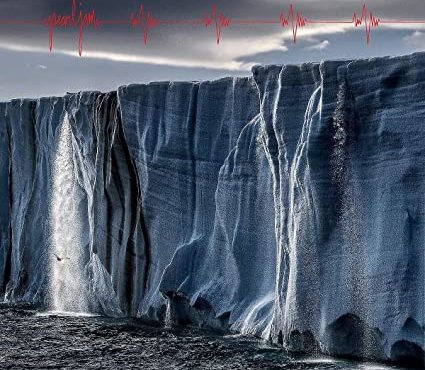
But then a series of mysterious digital billboards began appearing around the world featuring images from nature, a new electrocardiogram-style Pearl Jam logo, and the word Gigaton. Then, a week later, they released “Dance of the Clairvoyants,” a startling, synth-driven single that got everybody talking again. It’s a divisive song, clearly inspired by The Talking Heads and early 2000s dance-punk. It signaled a potential new direction for the band and a sonic expansion incorporating more electronics. Fan forums and comment sections suddenly came alive. Was this a betrayal of their classic rock roots? Was this their version of The Rolling Stones’ “Miss You?” Was Gigaton (which ended up being the album name) going to be Pearl Jam’s disco album? Perhaps most interestingly, the band quickly released three music videos for the track—an almost unthinkable decision since Pearl Jam has purposely avoided videos in favor of live performance footage and feature-length documentaries since 1998’s “Do the Evolution.”

A month later, “Dance” was followed by “Superblood Wolfmoon,” a playful, haunted hayride rocker, featuring another video, this time an adorable Tiny Concert animated film.

“Superblood” seemed to reassure many fans that the album would not stray too far from Pearl Jam’s defining aesthetics, most recently reinforced on Lightning Bolt and 2009’s Backspacer, both produced by long-time collaborator Brendan O’Brien.

As it turns out, Gigaton has a little something for everyone. It’s a complex, dynamic album full of earnest emotion and subtle humor. Its form factor recalls both 1996’s No Code and 1998’s Yield, two wildly underrated records that provided a blueprint for the band’s sustainable growth and ongoing appeal by showcasing their incremental, yet relentless, experimentation.

If you’re somehow new to Pearl Jam, the stomping opener “Who Ever Said” will essentially explain the formula they’ve used to fill stadiums since their 1991 breakthrough album, Ten. Take ‘70s hard rock swagger and blend in West Coast progressivism, add ferocious guitars, pounding drums, then cover the whole thing with the strongest baritone voice of the ‘90s. Its chorus also contains Gigaton’s mission statement: “Whoever said ‘It’s all been said,” gave up on satisfaction.” Here’s Vedder, speaking directly to us, promising this isn’t over by a long shot. It comes across as both reassuring and defiant. And, thankfully, the rest of the album largely delivers on that commitment.

If you’re attracted to the band for ‘90s nostalgia, “Quick Escape” is just what you’re looking for. It’s got a big Led Zeppelin intro and a soaring Seattle grunge chorus. The music was written by bassist Jeff Ament and Vedder’s lyrics take a more sophisticated approach to political commentary than say, “Bu$hleaguer” from 2002’s Riot Act. Many of the songs on Gigaton seem to tackle multiple subjects at once with confidence and charm. “Alright” is a hymn of resistance and reassurance in the face of personal and/or environmental challenges. “Seven O’Clock” deals with loss and grief, encouraging listeners to “Swim sideways from this undertow and do not be deterred.” While “Buckle Up,” with words and music from guitarist Stone Gossard, directly addresses death and riffs on the bioethics oath of “Primum non-nocere” (“First, do no harm”).

If you’re a super fan, Gigaton is packed with Easter Eggs. On “Never Destination,” Vedder references the protagonist of Sean Penn’s book Bob Honey Who Just Do Stuff. “Take the Long Way” was written and sung by drummer Matt Cameron and features the first female backing vocals on any official Pearl Jam release (credited to Meagan Grandall aka Lemolo). And there’s a new producer involved, Josh Evans, who also played keyboards, mixed, and co-engineered the album. O’Brien is on a few tracks too, notably playing the celestial keys on “Retrograde,” written by guitarist Mike McCready. But only Evans (along with the band) is credited as producer. It’s his first big album in the role and he did an excellent job creating a pervasive warmth throughout.

The band hasn’t sounded this engaged and excited since Bill Clinton was president. They’re about to embark on a proper world tour (which is currently being rescheduled in the wake of COVID-19). Many of these songs, especially “Dance of the Clairvoyants,” will add new depth to their already epic live shows. They’re also scheduled to play one very special new venue for the first time: Vedder’s Ohana Festival in September.

Read More/Comment »